
Starfox2005
Well-known member
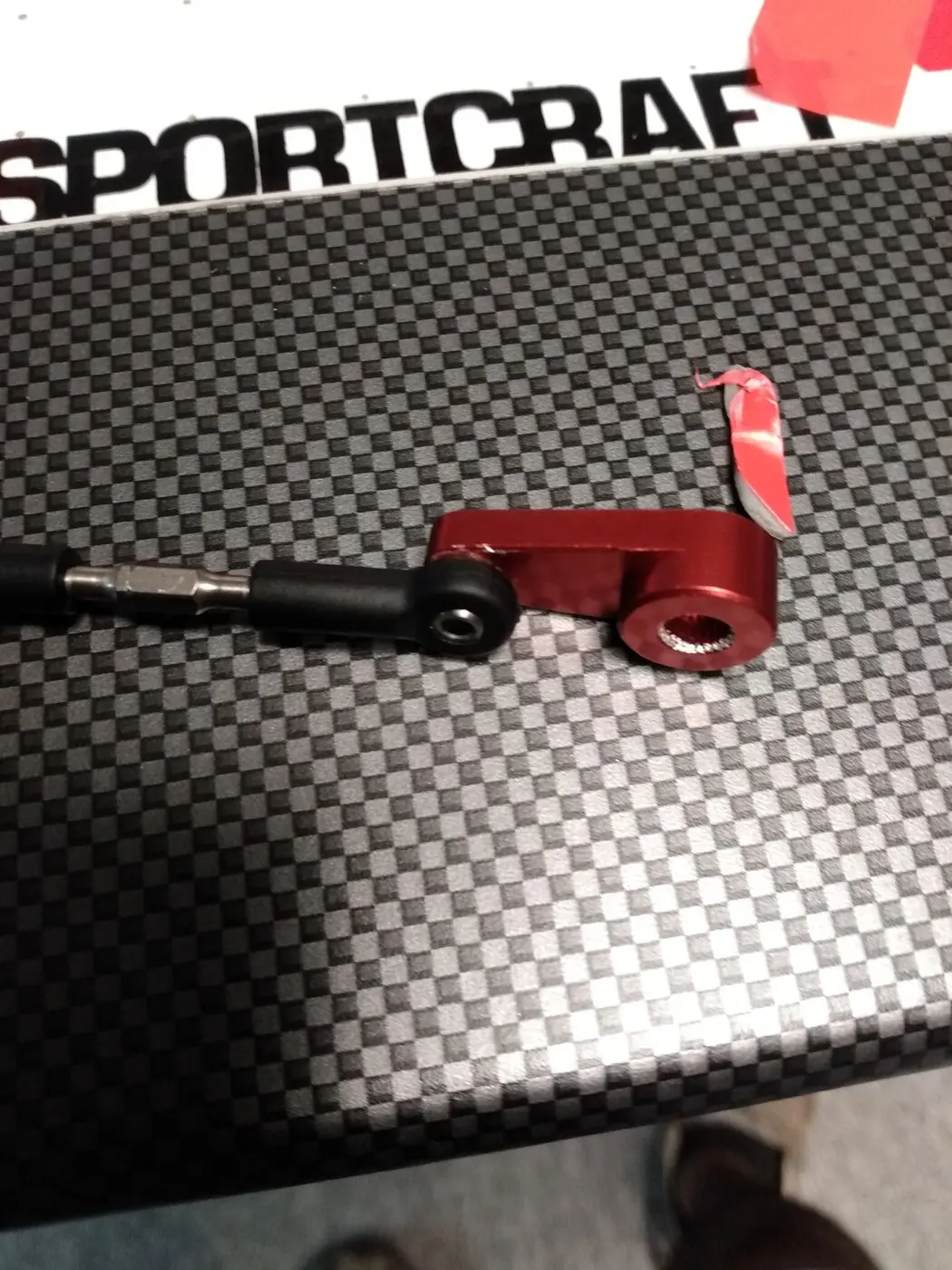
Help! It's just spinning the bushing underneath how to I get it off? Thanks Guys! Bushing is silver.

Follow along with the video below to see how to install our site as a web app on your home screen.
Note: This feature may not be available in some browsers.


Yeah I did exactly this and it worked out great! They must have used some thread locker from the factory? I'm not sure why? Thanks!First of all: get the plastic of the ball link.
The ball is probably mounted with thread lock. The best is to apply some heat e.g. with a soldering iron or a heat gun.
Then grab the ball with a pair of pliers (carefully!) and unscrew.
OR use a new ball link and horn


I believe you're right. Thread locker on all metal to metal fasteners is the general rule. Exception being when a nylon insert nut is used such as shock standoffs.Unless it's different than the one it comes with the '22 XTR, I thought the ball side would take a 2.5mm hex and then the screw a 2mm hex no?

I wonder how many people have chewed up their balls (that sounds so wrong) with pliers, applied heat, hit it with hammers, sworn - and then realised it has a hex inside it!Unless it's different than the one it comes with the '22 XTR, I thought the ball side would take a 2.5mm hex and then the screw a 2mm hex no?

I don't think mine had a hex inside of it... I'm not sure. If you're careful it won't chew it up if you apply light pressure.I wonder how many people have chewed up their balls (that sounds so wrong) with pliers, applied heat, hit it with hammers, sworn - and then realised it has a hex inside it!
Maybe not. I'll take a look today and refresh my memory.I don't think mine had a hex inside of it... I'm not sure. If you're careful it won't chew it up if you apply light pressure.
Interesting approach! I just use a rag layered several times and apply loads of pressure with locking pliers, but there's still some slippage since times.For shock shafts, I use the cutter to grip it - right between the thread and the polished part of the shaft.
It's a 'trick of the trade' when screwing on shock ends, or track rod ends.Interesting approach! I just use a rag layered several times and apply loads of pressure with locking pliers, but there's still some slippage since times.
I recently bought one of those special shock shaft pliers to try them out.
You're right. There are hexes in the balls on the trackrods, but not on the linkage from the servo. I needed to take mine to bits today.I don't think mine had a hex inside of it... I'm not sure. If you're careful it won't chew it up if you apply light pressure.


That stinks, crappy idea they should have a hex in the ball at least. Or, have the screw go in from the ball side and thread into the servo horn? IDK.You're right. There are hexes in the balls on the trackrods, but not on the linkage from the servo. I needed to take mine to bits today.
So you just have to use faith/PMA.
It hasn't been a problem for me so far, because I usually disconnected the linkage from the servo saver side - which is a button head into a nyloc.That stinks, crappy idea they should have a hex in the ball at least. Or, have the screw go in from the ball side and thread into the servo horn? IDK.
I suppose one could try gripping the plastic rod end with pliers and tightly squeeze to try and prevent the ball from spinning?
Gotta be a better way..
Register and gain access to Discussions, Reviews, Tech Tips, How to Articles, and much more - on the best Corally RC community for RC enthusiasts that covers all aspects of the Corally-RC brand!
Register Today It's free! This box will disappear once registered!
